Blue Zone — a small place, a few of us, a long view
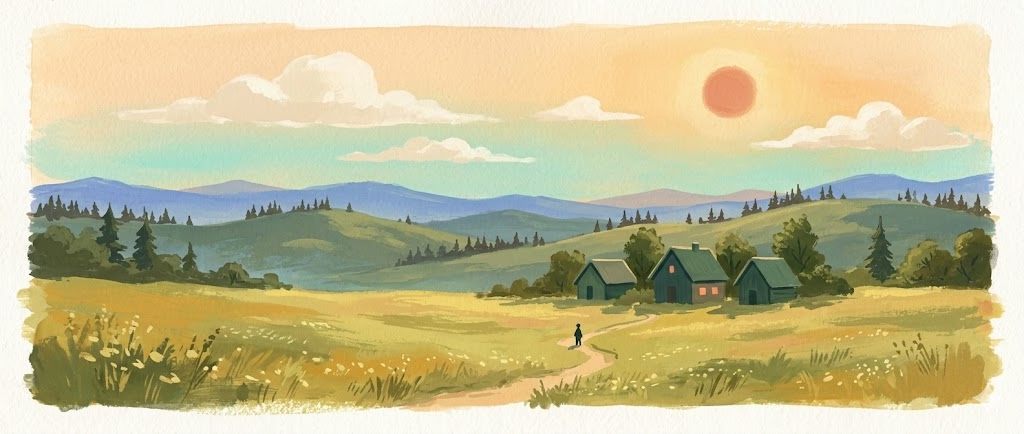
A small place. A few of us. A long view.
A small community, made slowly.
Open by introduction only.
the problem
A quieter weariness, with structural roots.
It is harder than it used to be to feel rooted somewhere. Rents climb past wages year on year. The institutions that used to hold a life together — a stable job, an affordable home, a neighborhood you stay in — feel optional or absent. Attention has become something you defend, even from the people next to you. Most of the ones we know are quietly more lonely than they would admit.
Individual responses help, up to a point. You can earn more, optimize harder, train your nervous system. Returns are real but bounded; the underlying conditions stay in place. The cost shows up downstream as a quiet tiredness that was not there twenty years ago.
We think this is a systems problem, and systems problems want structural answers — including, sometimes, changes to where and with whom you live.
the vision
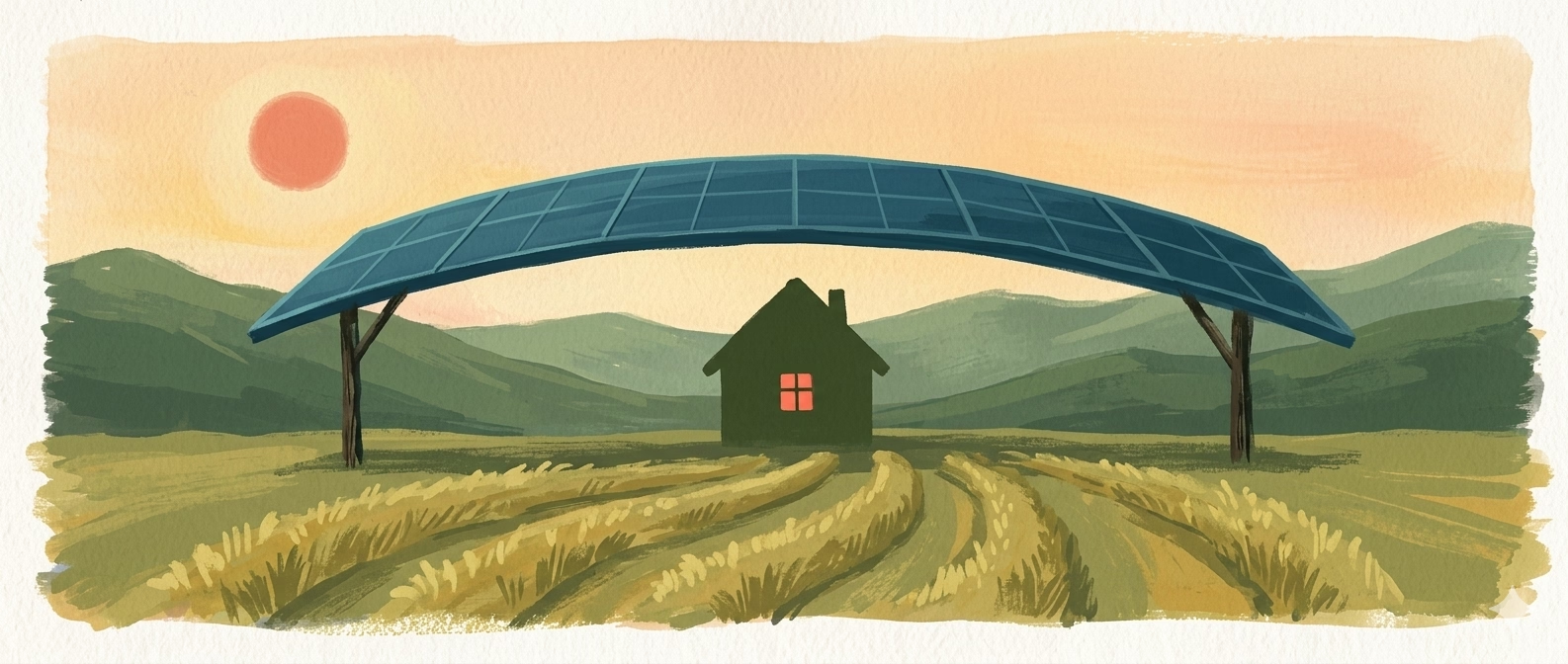
A blueprint for self-reliance, with careful technology in the background.
A small piece of land. A handful of households within walking distance — close enough to share a meal, far enough to be your own. Shared infrastructure for water, energy, food, and care — and for the body too: sauna, cold plunge, a lap pool, a real gym, a workshop, a kitchen built for cooking together. None of these are within reach alone. Together, all of them are.
This is the older default, not a new arrangement. Villages always pooled their ovens, their baths, their wells; private everything is the recent anomaly. We are undoing it on a small scale, deliberately, with people we choose.
Not a retreat from the world. A place to be more present in it — with bodies that get what they have been missing, work that still gets done, and the resilience to ride out what the wider economy cannot guarantee.
the safety
We build for the long winter.
A safe home is the precondition for everything else: for slow work, for raising children, for thinking long-term. We design for it explicitly. Two ways to get water, three ways to stay warm. You can see how the power is made and where the food is grown. Walls and doors built to hold, not only to look. Neighbors who would notice if you did not come home.
Your home is yours, in deed and in fact. What is shared is shared in the open, on terms anyone can leave on. No one decides for you about your home, your work, or your children.
What happens here does not leak; we do not sell anything about the people who live here. If the wider grid goes quiet, we stay warm. If a company we use disappears tomorrow, we keep eating. What side of any old line you were born on stops mattering at the gate.
Stability is the decision underneath every other decision.
the gathering
Neighbors, not networks.
Loneliness is not a personal failing. It is a design flaw of the modern city, and the remedy is the older one: proximity, shared work, and the trust that grows from showing up.
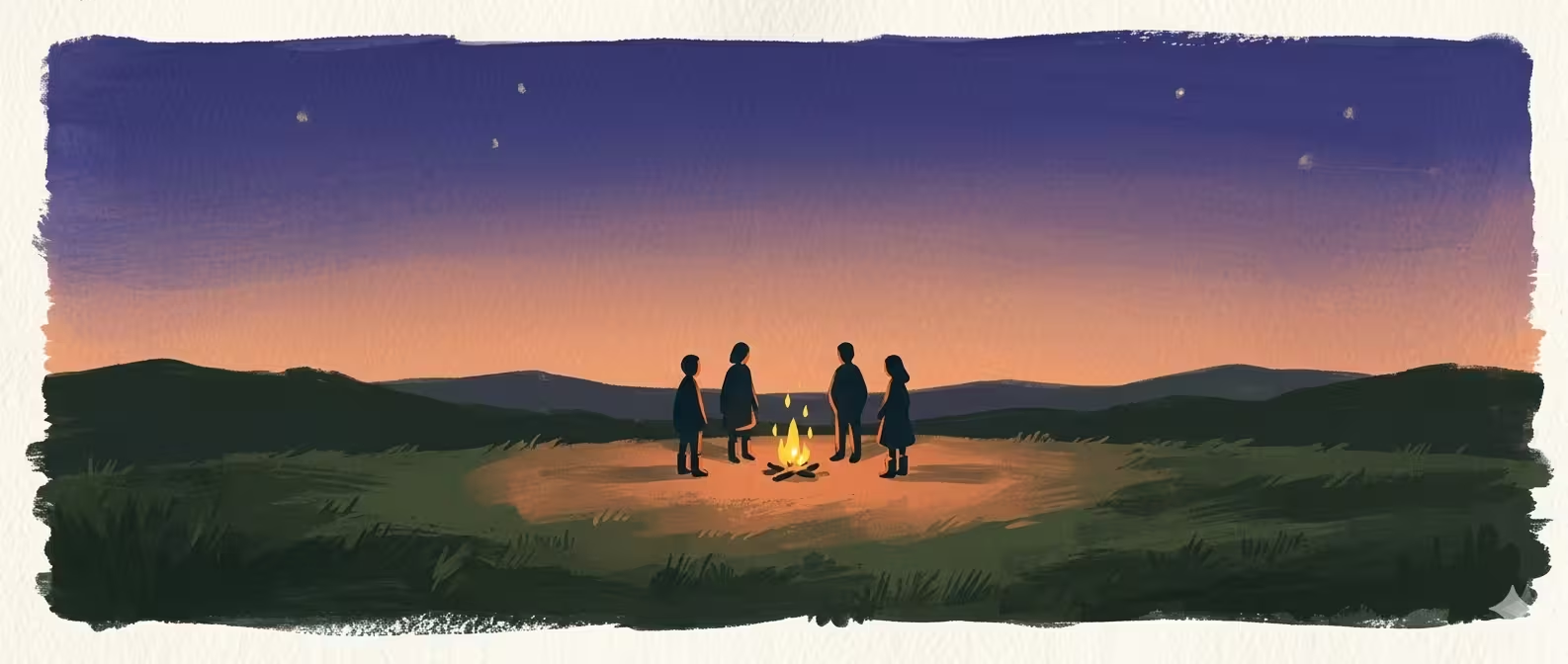
Shared meals a few times a week. A common workshop. A sauna lit on Friday evenings. Care for children and elders woven through the day. Decisions made around a table, not in a boardroom. Enough closeness that asking for help feels normal again.
If you have been pointed here, you already know the way in.